Our Approach

Cloud Services

Molestiae eum conse qu atur beatae fugiat opt io nobis eaque assumenda. Velit consequatur volup

Innovative Tech

Molestiae eum conse qu atur beatae fugiat opt io nobis eaque assumenda. Velit consequatur volup

Manage Data

Molestiae eum conse qu atur beatae fugiat opt io nobis eaque assumenda. Velit consequatur volup

Support Clients

Molestiae eum conse qu atur beatae fugiat opt io nobis eaque assumenda. Velit consequatur volup

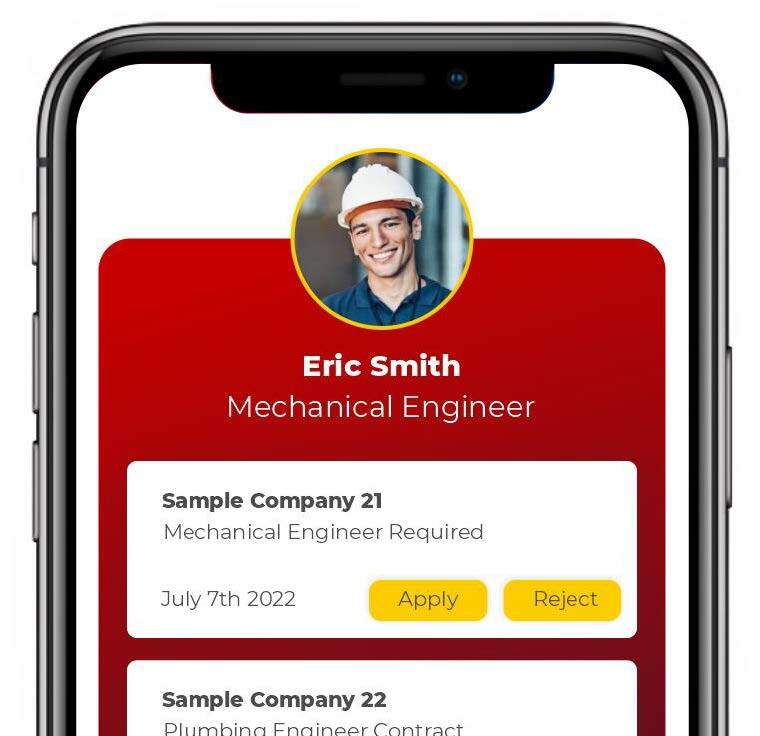
Take control of your skills profile.

Having a digital skills profile that includes all your work experience and is not retained by individual employers is highly beneficial. It ensures you own and control your career history, allowing you to easily access, update, and share your credentials when needed. This eliminates the risk of losing important records when changing jobs and saves time when applying for new roles. Employers can instantly verify your experience, improving credibility and job prospects. It also supports lifelong learning and career mobility, making transitions between industries or roles smoother and more efficient in an evolving job market. 

Recruiting by skills is rapidly increasing worldwide as employers shift their focus from traditional qualifications to practical abilities and experience. Companies now prioritise industry-defined skills, ensuring candidates are assessed based on their capabilities, not just degrees or job titles. This trend is driven by technological advancements, changing job markets, and the need for more adaptable, diverse workforces. Skills-based hiring helps businesses fill roles faster, reduce bias, and improve workforce productivity. It also benefits job seekers by widening opportunities, allowing them to demonstrate competence through experience, training, and certifications rather than relying solely on formal education.

Its not just education

In today’s job market, skills and industry experience are becoming the main focus for recruitment, rather than just qualifications or job titles. Employers now look for candidates who can do the job effectively, based on their practical skills and past work experience, rather than just having a degree. This approach helps businesses find the right talent faster, ensuring employees are job-ready from day one. It also gives people more opportunities, as they can prove their ability through training, certifications, and hands-on experience. This shift makes hiring fairer, more flexible, and better suited to modern workplaces.

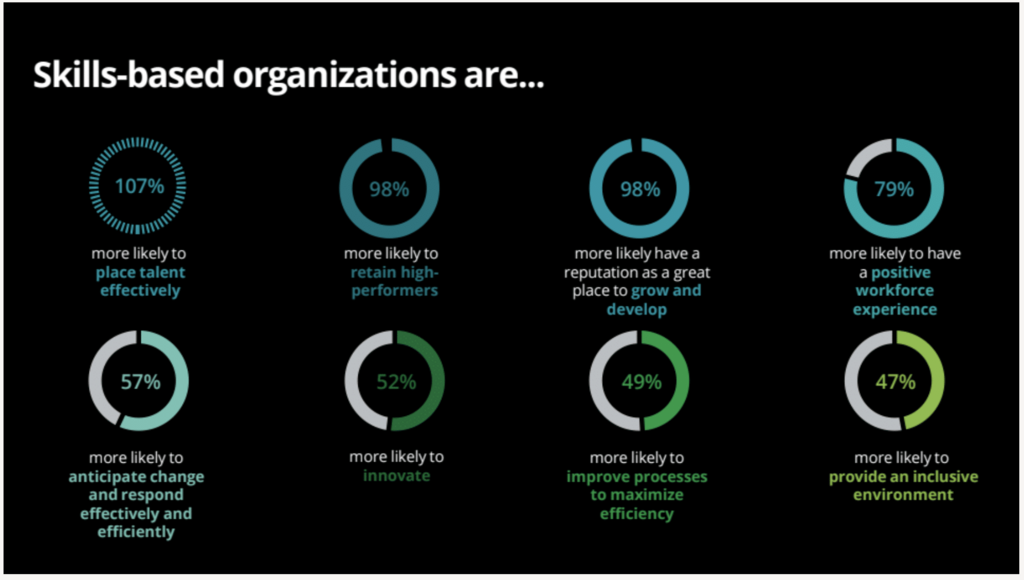
Skills based orginisation

Adopting a skills-based recruitment approach is gaining traction globally, as organisations recognise the value of assessing candidates based on their specific abilities and experiences rather than traditional qualifications alone. This method allows employers to identify talent that precisely matches the competencies required for a role, leading to enhanced productivity and innovation. However, integrating skills-based recruitment also introduces certain employment risks, such as potential biases in skill assessment and the challenge of accurately validating a candidate's claimed competencies. To mitigate these risks, organisations are implementing robust evaluation frameworks and leveraging technologies like AI to ensure objective and comprehensive assessments.

By focusing on skills, companies can broaden their talent pools, tapping into diverse backgrounds and experiences that may have been overlooked under traditional hiring practices. This inclusivity not only addresses skill shortages but also promotes a more equitable workforce. Nonetheless, the transition to a skills-based model requires careful planning to align organisational culture, training, and development programmes with this new approach, ensuring that both employers and employees benefit from the shift. www2.deloitte.com

Incorporating a skills-centric strategy necessitates continuous learning and adaptability, as the relevance of specific skills can evolve with technological advancements and market demands. Organisations must therefore invest in ongoing training and development to maintain a competitive edge and mitigate the risk of skill obsolescence among their workforce.

Overall, while skills-based recruitment offers significant advantages in aligning talent with organisational needs, it requires a balanced approach to effectively integrate into existing systems and mitigate associated employment risks.